The treatment of esophageal and gastric cancer has evolved dramatically over the past decade. Traditionally, these cancers were managed with radical surgical procedures involving removal of large sections of the stomach or esophagus, often resulting in major lifestyle changes for patients. Today, a new era is emerging — one that focuses on organ-preservation, functionality, and quality of life, while still maintaining strong oncological control.
This approach is reshaping the landscape of gastrointestinal (GI) surgery. Pioneers like Dr.Govind NandaKumar, an experienced GI surgeon, are adopting minimally invasive and organ-sparing techniques to provide effective Gastric Cancer Treatment in KR Puram and surrounding areas.
Understanding Esophageal and Gastric Cancer
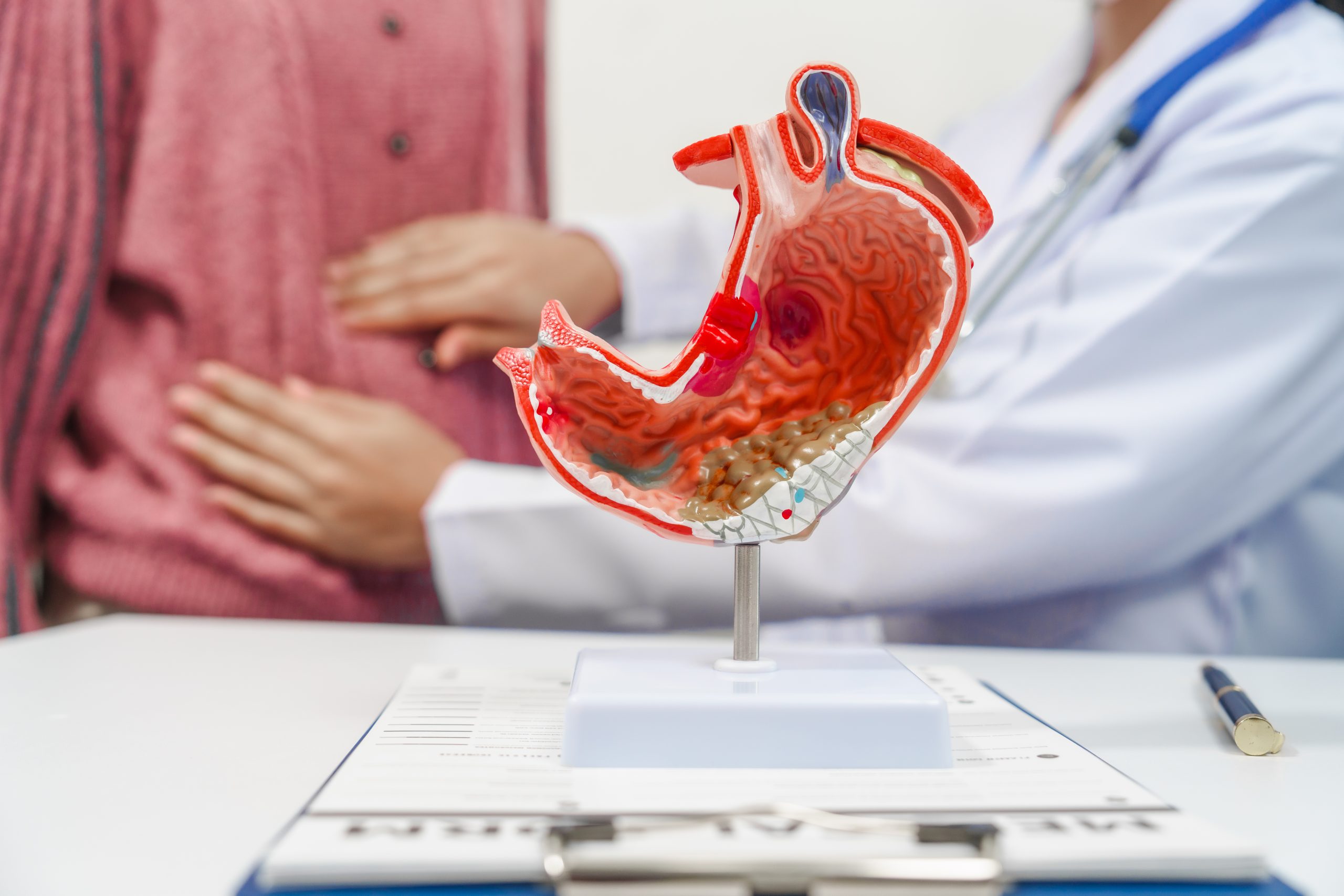
Esophageal and gastric cancers occur in the upper part of the digestive system, often presenting with symptoms such as difficulty swallowing, weight loss, persistent indigestion, or abdominal discomfort. Unfortunately, these cancers are often detected at an advanced stage, historically necessitating extensive surgeries like total gastrectomy (removal of the entire stomach) or esophagectomy (removal of part or all of the esophagus).
While these traditional surgeries can be life-saving, they frequently lead to complications such as nutritional deficiencies, reflux, dumping syndrome, and a significant reduction in the patient’s quality of life. This has led surgeons and researchers to seek innovative strategies that can preserve the organ structure and function without compromising cancer control.
The Concept of Organ-Preservation in GI Oncology
Organ-preservation refers to surgical and non-surgical strategies designed to treat cancer while maintaining the integrity and function of the affected organ. In the context of gastric and esophageal cancer, this means avoiding or minimizing the extent of stomach or esophagus removal.
Modern advancements in diagnostics, neoadjuvant therapy (chemotherapy or chemoradiation before surgery), and minimally invasive surgery have enabled surgeons to tailor treatment according to tumor stage and location. The primary goals are:
- Oncological safety: Complete removal or control of cancer cells.
- Functional preservation: Maintaining normal swallowing, digestion, and nutritional status.
- Quality of life: Enabling patients to return to daily activities with minimal disruption.
Less Invasive Surgical Approaches
Recent years have seen tremendous growth in minimally invasive GI surgeries, including laparoscopic and robotic techniques. These procedures use small incisions and specialized instruments to access and treat the tumor with high precision.
1. Endoscopic Resection for Early Tumors
For very early-stage esophageal or gastric cancers confined to the mucosal layer, endoscopic mucosal resection (EMR) or endoscopic submucosal dissection (ESD) can be performed. These procedures are carried out through the mouth, without any external incisions.
- Tumor is precisely removed while the rest of the organ is preserved.
- Patients often recover quickly and avoid major surgery.
- This approach is especially effective for small, well-defined tumors detected through advanced endoscopic screening.
2. Laparoscopic and Robotic Partial Gastrectomy
For early to moderately advanced gastric cancers, partial gastrectomy — where only the diseased portion of the stomach is removed — is often sufficient. Using laparoscopic or robotic technology:
- Surgeons can perform precise resections while minimizing trauma.
- Nearby lymph nodes are cleared to ensure oncological safety.
- Reconstruction techniques help maintain normal food passage and digestion.
This is becoming a standard component of Gastric Cancer Treatment in KR Puram, where experienced GI surgeons like Dr.Govind NandaKumar apply advanced techniques to reduce hospital stays and improve outcomes.
3. Esophagus-Preserving Surgery
Traditionally, esophagectomy involved removing large sections of the esophagus and reconstructing it using stomach tissue. Modern approaches focus on limited resections, especially when combined with effective neoadjuvant therapy.
- Selected patients with good response to chemoradiation may undergo transhiatal resections or segmental procedures that preserve more of the esophagus.
- Robotic systems provide superior visualization and dexterity, enabling precise dissections while avoiding injury to critical structures.
4. Sentinel Node Navigation Surgery
This is an emerging concept where only sentinel lymph nodes (the first nodes to receive drainage from the tumor) are removed and examined. If these are cancer-free, extensive lymph node dissection may be avoided.
This technique reduces surgical trauma and preserves more of the organ’s structure and function. It is being increasingly applied in early gastric cancers and represents a major step forward in the organ-preservation era.
Gastric Cancer Treatment in KR Puram
Multimodal Treatment Strategies
Organ-preserving surgery is often not a standalone solution. Instead, it is integrated into a multimodal treatment strategy, which includes:
- Preoperative (neoadjuvant) therapy to shrink tumors and make organ-sparing surgery feasible.
- Minimally invasive surgery to remove the affected portion with clear margins.
- Adjuvant therapy, if needed, to prevent recurrence.
This team-based approach involves surgeons, medical oncologists, radiation oncologists, radiologists, and nutritionists working together to provide personalized care. At specialized centers offering Gastric Cancer Treatment in KR Puram, Dr.Govind NandaKumar plays a key role in coordinating these efforts to ensure both cancer control and quality of life.
Benefits of Organ-Preserving Approaches
- Better Quality of Life
Patients retain much of their normal digestive function, avoiding lifelong dietary restrictions and nutritional deficiencies. - Faster Recovery
Smaller incisions and reduced surgical trauma lead to shorter hospital stays and quicker return to daily activities. - Reduced Complications
Minimally invasive techniques minimize risks like infection, bleeding, and postoperative pain. - Psychological Well-Being
Preserving the organ has a positive impact on mental health, helping patients maintain a sense of normalcy.
Patient Selection Is Key
Not every patient is a candidate for organ-preserving strategies. Careful evaluation is essential. Surgeons consider:
- Tumor stage, size, and location
- Lymph node involvement
- Overall health and fitness for surgery
- Response to neoadjuvant therapy
Advanced imaging (like PET-CT), endoscopic ultrasound, and staging laparoscopy are used to assess the feasibility of less invasive approaches. A multidisciplinary tumor board typically reviews each case to recommend the most appropriate treatment plan.
The Future of Organ-Preservation in GI Surgery
The future holds even greater promise. Artificial intelligence (AI) and machine learning are being integrated into endoscopic diagnostics to detect early lesions more accurately. Enhanced recovery protocols, image-guided surgery, and precision medicine are further refining how surgeons approach these cancers.
Robotic platforms are also evolving to offer greater precision with reduced learning curves, making these techniques more widely accessible. Ultimately, the focus is shifting from “one-size-fits-all radical surgery” to personalized, function-preserving treatment that balances cure and quality of life.
Conclusion
Organ-preservation in esophageal and gastric cancer marks a transformative shift in GI surgery. By leveraging minimally invasive techniques, advanced diagnostics, and coordinated multidisciplinary care, surgeons can now achieve excellent cancer control while preserving the patient’s functional outcomes.
For individuals seeking Gastric Cancer Treatment in KR Puram, consulting experienced specialists like Dr.Govind NandaKumar ensures access to cutting-edge organ-sparing strategies tailored to their specific condition. This new era in GI oncology emphasizes not only survival but also life after surgery — healthier, more functional, and more fulfilling.